
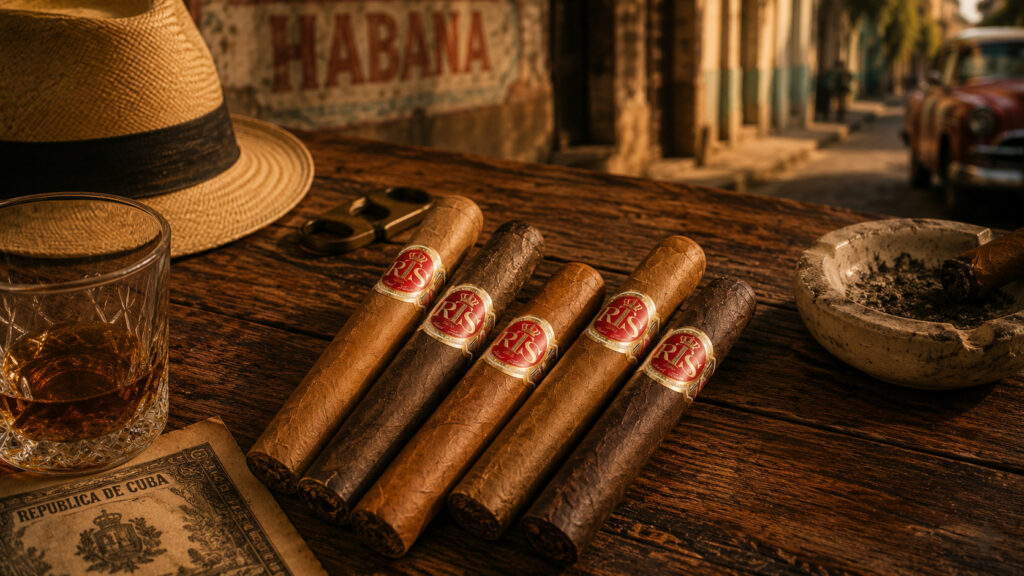
A cigar is a small thing to build a culture around, and yet Cuba did exactly that. For more than a century, Cuban cigar culture has shaped how the whole world thinks about handmade tobacco, from the way leaves are grown and rolled to the festivals, rituals, and stories that surround the finished smoke. To understand why a hand-rolled cigar feels like more than a product, it helps to understand the island tradition that set the standard. This guide walks through the roots of Cuban cigar culture, the festival calendar that celebrates it, the everyday rituals that define it, and why all of it is back in the headlines in the summer of 2026.
Quick Answer: Cuban cigar culture is the tradition of growing, rolling, and enjoying handmade cigars that developed on the island of Cuba over generations. It includes the celebrated tobacco regions, the craft of the torcedor who rolls each cigar by hand, community rituals such as the factory reader and the unhurried social smoke, and annual gatherings like the Habano Festival in Havana. Its influence reaches far beyond Cuba, since Cuban-seed tobacco and Cuban trained rollers now shape premium cigars made across the Americas.
Cuban cigar culture is not one thing but a bundle of related habits, skills, and beliefs that grew up together over generations. At its center is the conviction that a cigar should be made entirely by hand, from the sorting of leaves to the final cap, because only human judgment can read a bunch of tobacco and coax it into an even burn. That conviction produced the torcedor, the roller whose trade is passed down like a family recipe, and it produced a whole vocabulary of craft that the rest of the cigar world eventually adopted.
Around the craft grew a social world. In Cuba, a cigar was never only a solitary pleasure. It was something shared at the end of a workday, offered to mark a birth or a deal, and rolled in factories where workers listened to a reader recite the news and novels aloud. The culture, in other words, is as much about the company and the ceremony as it is about the leaf. That is why enthusiasts talk about the Cuban tradition with a kind of reverence, and why so many premium makers outside Cuba trace their lineage, directly or in spirit, back to the island.
It is worth saying plainly what this article is and is not. It is a look at a living tradition and its history. It is not a claim that any cigar is superior because of a flag, nor an endorsement of any specific brand. Cuban cigar culture belongs to the whole community of people who love handmade tobacco, including the many rollers and growers who carried the tradition to new countries and kept it alive.
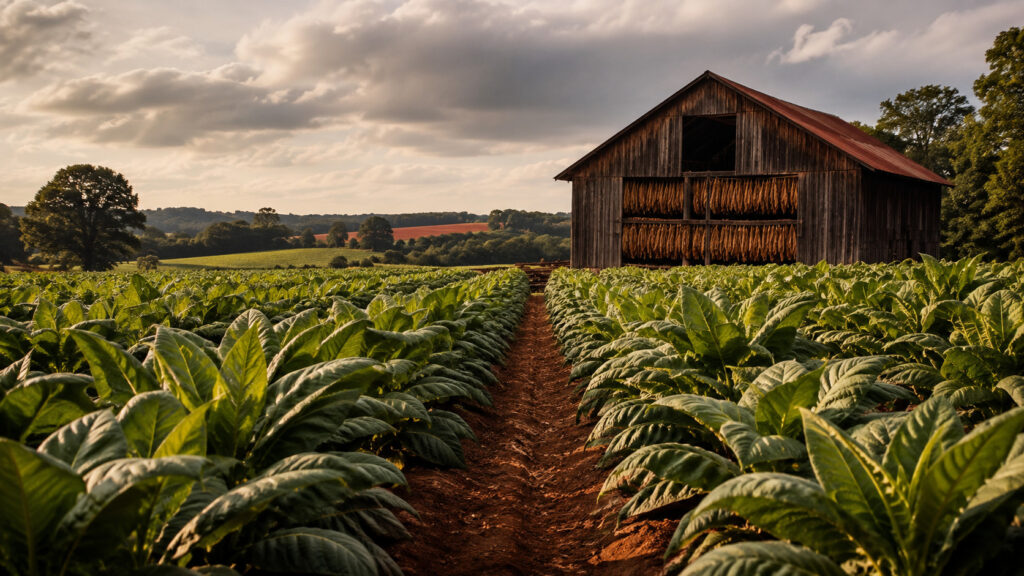
Cuba’s reputation rests on the ground itself. The western end of the island, and the Vuelta Abajo zone in particular, sits on reddish soils under a climate that seems almost designed for tobacco, and generations of farming families refined the varieties and methods that suit it. Other zones across the island contributed their own leaf and their own character, and the town names of the tobacco country became a kind of shorthand for quality among people who follow cigars closely.
Cabaiguan, in the central part of the island, is one of those tobacco towns, a place where growing and rolling were simply part of life. Rollers who learned their trade in towns like it carried an inheritance that went beyond technique, a feel for leaf that comes only from being around it since childhood. When those rollers later set up benches in Florida and elsewhere, they brought that inheritance with them, which is a large part of how the tradition survived political upheaval and travel.
The craft that grew from these regions is exacting. A single premium cigar can contain several different leaves, each chosen for a role, and the blender’s task is to balance strength, aroma, and burn so the cigar tastes consistent from light to finish. That accumulated knowledge, handed from one generation to the next, is the real treasure of Cuban cigar culture, more durable than any single crop or factory.
If the regions are the roots, the festivals are the celebration. For decades the Habano Festival in Havana has been the calendar’s landmark gathering, drawing enthusiasts, retailers, and makers from around the world for a week of tastings, tours of tobacco country, seminars, and dinners built around the cigar. It became the place where the tradition displayed itself to its admirers and where the year’s releases and anniversaries were feted.
Festivals matter because a culture needs occasions to renew itself. A gathering turns private enjoyment into shared experience, lets newcomers meet veterans, and reminds everyone why they fell for the craft in the first place. That is true of cigar festivals everywhere, from Havana to the growing number of regional shows and road tours that bring makers face to face with fans. The social dimension of cigar culture, the idea that a cigar is best in good company, is exactly what a festival is built to celebrate.
That is also why the news that the twenty-sixth Habano Festival was called off for 2026 landed with real weight among enthusiasts. As halfwheel reported, the organizing committee confirmed the cancellation after an earlier postponement, marking only the third time in the event’s history that it has not been held, while noting that celebrations for a major brand anniversary would continue separately. A quiet year for the flagship festival is a reminder that even the most established traditions depend on circumstances, and that the culture lives on in many places, not just one.
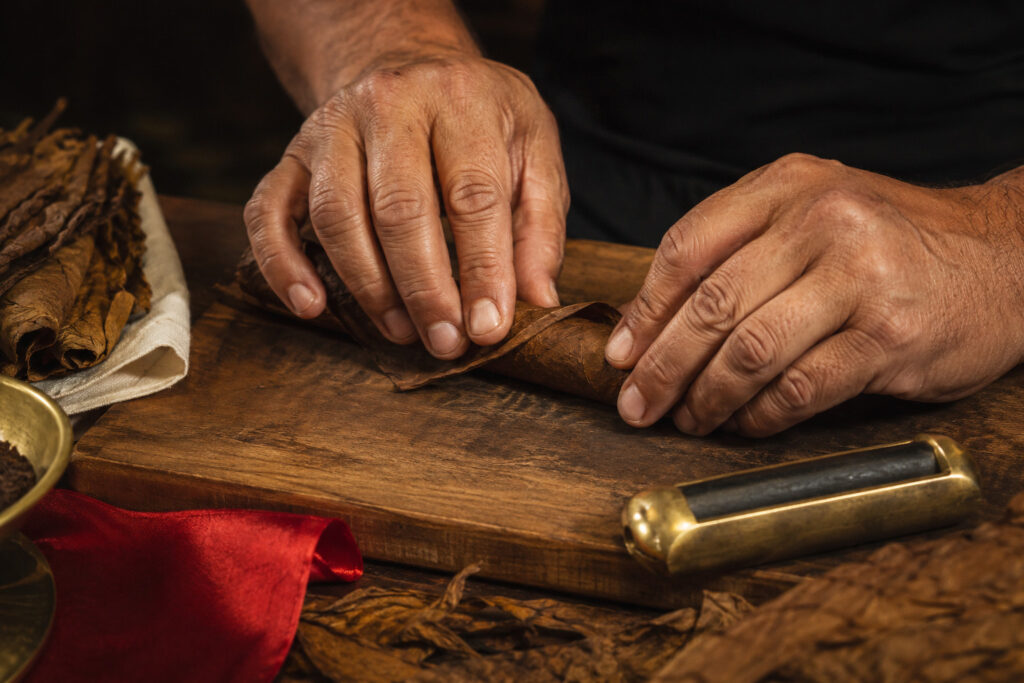
The most visible ritual is the roll itself. Watching a skilled torcedor work is a small piece of theater, the leaves selected and bunched, the binder wrapped, the wrapper stretched and smoothed with a few confident strokes, the cap set in place. It looks effortless because it is the product of years, and it is one of the reasons live rolling has become such a draw at events. The hand is doing something a machine cannot, reading each leaf and adjusting, and audiences sense that even if they cannot name it.
A second ritual belongs to the factory floor. In the traditional Cuban workshop, a reader known as the lector sat above the benches and read aloud, newspapers in the morning, novels in the afternoon, keeping the rollers informed and entertained through long, repetitive days. The custom is more than a charming detail. It shaped the culture of the trade, gave rollers a shared education, and even lent its name to at least one famous cigar. It is a reminder that cigar making was a communal craft, not a lonely one.
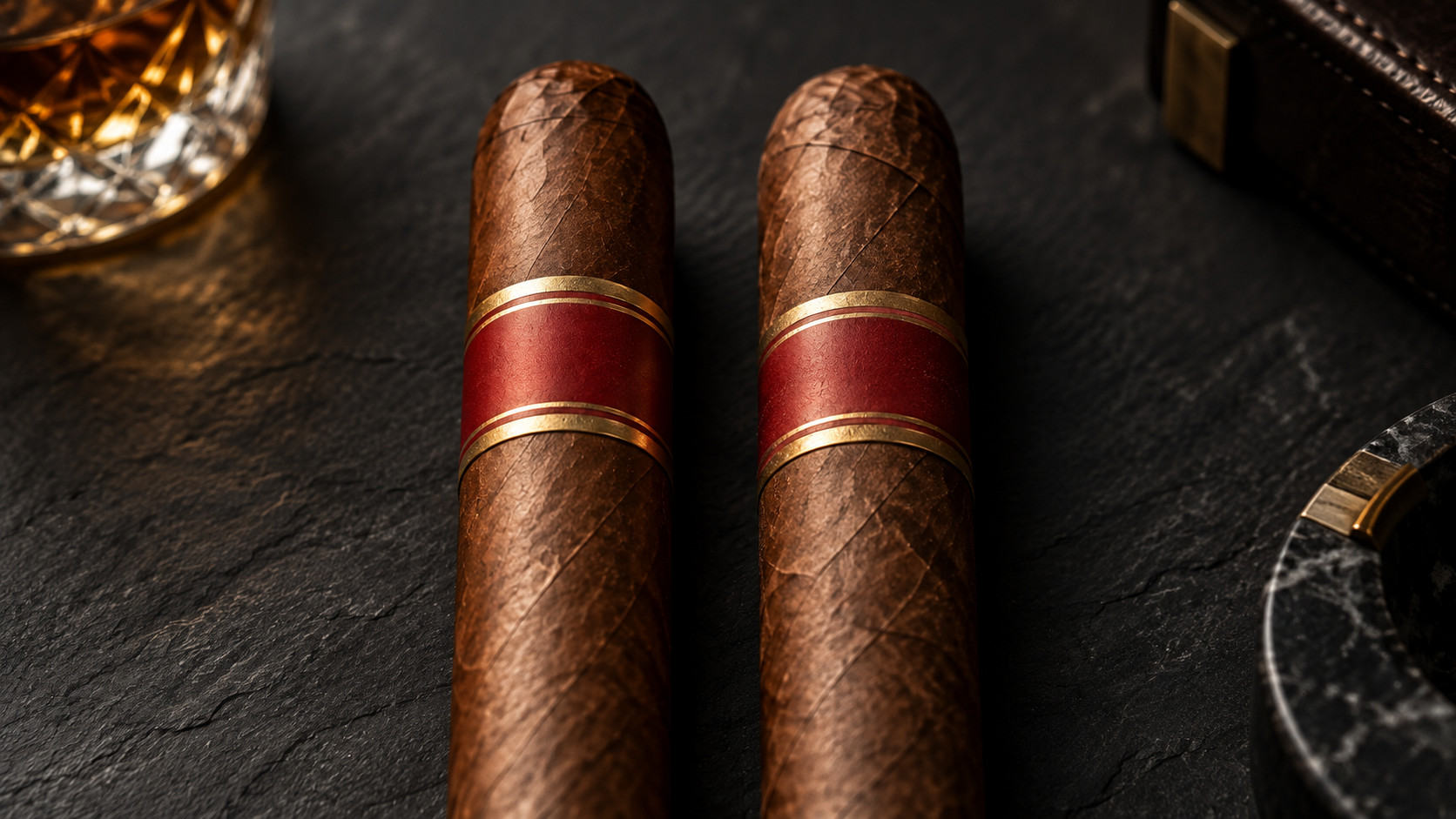
The third ritual is the smoke itself, and it is the one anyone can practice. In Cuban tradition a cigar is unhurried, tied to conversation and celebration, offered to guests and lit to mark something worth marking. That social, ceremonial approach is the heart of the culture and the part that travels most easily. You do not need to be in Havana to smoke the Cuban way. You need good company, a little time, and the willingness to slow down.
One of the most important facts about Cuban cigar culture is that it did not stay in Cuba. Over the decades, growers carried Cuban tobacco seed to Nicaragua, the Dominican Republic, Honduras, Ecuador, and the United States, and rollers trained in the Cuban method set up benches wherever they landed. The result is that a great deal of the premium cigar world today is built on Cuban-seed tobacco and Cuban technique, even when the leaf is grown thousands of miles from the island.
This diaspora is not a footnote, it is a central chapter. Cuban-seed leaf grown in new soil takes on the character of its new home while keeping the genetic backbone that made it prized, and blenders spend careers learning how to bring out the best of it. For many enthusiasts, the story of modern premium cigars is precisely this story of a tradition that refused to be confined to one place, carried forward by families who would not let the craft die.
South Florida is one of the places that inheritance took root. The region became home to Cuban rollers and Cuban-seed cigars, and the live rolling tradition found an eager audience at golf outings, corporate events, and private gatherings. When you watch a Cuban trained roller work at an event in Miami or Fort Lauderdale, you are watching a piece of the island tradition continue in a new setting, which is exactly how a culture stays alive.
The tradition can feel sprawling, so the table below gathers a few of its central elements in one place, each described in general cultural terms rather than as a specific product.
| Element | What It Is | Why It Matters | How It Lives Today |
|---|---|---|---|
| Tobacco regions | Western zones such as Vuelta Abajo | Soil and climate set the quality standard | Cuban-seed leaf now grown across the Americas |
| The torcedor | The hand roller | Human judgment shapes burn and draw | Live rolling at events worldwide |
| The lector | The factory reader | Educated and united the workforce | Celebrated in cigar lore and naming |
| The Habano Festival | Annual Havana gathering | Renews and displays the tradition | Joined by regional shows and road tours |
| The social smoke | Unhurried, shared, ceremonial | Treats the cigar as an experience | Practiced by enthusiasts everywhere |
The pattern across that table is worth naming. Every element began as something specific to Cuba and became something the wider world adopted. The culture proved portable because it was never really about a border, it was about craft, community, and ceremony, and those things can be carried anywhere a roller sets up a bench.
Cuban cigar culture is rich in the kind of lore that makes the hobby fun. The factory reader tradition, for instance, is often credited with inspiring the name of a well known cigar shape, a nod to the readers who kept the rollers company. Whether every version of the story is literally true, the fact that such stories attach themselves to cigars at all tells you how much narrative is woven into the culture.
Then there is the ceremony around lighting and cutting, the debates over how to toast a foot evenly, the near-superstitions about never rushing a good cigar. These are not rules handed down on tablets so much as shared habits that grew up around a communal pleasure, and they vary from one enthusiast to the next. Part of joining the culture is picking up these small rituals and eventually forming your own opinions about them.
Anniversaries carry weight too. When a storied brand marks a milestone birthday, as one Cuban icon is doing around its sixtieth year, the wider community treats it as a cultural moment worth noting, a chance to reflect on how long the tradition has endured. Trade outlets such as Cigar Aficionado and Cigar Journal chronicle these moments regularly, keeping the history in front of new generations of smokers.
Cuban cigar culture has been unusually visible this summer for a mix of reasons. The cancellation of the flagship Havana festival for 2026 put the spotlight on how the tradition is celebrated and how fragile even landmark events can be. At the same time, the continuing anniversary celebrations for a famous Cuban brand kept the island’s history in the conversation, a reminder that the culture measures itself in decades.
Beyond Cuba, the broader cigar world has been building its own gatherings, from multi-city road shows that bring makers to local shops to new international events reaching audiences far from the traditional heartlands. These developments show a culture that is expanding its map even as one of its oldest festivals pauses. The instinct to gather, to celebrate the craft in person, is clearly alive and well, just increasingly spread across many places rather than concentrated in one.
For enthusiasts, the takeaway is encouraging. A tradition that can weather a quiet year for its signature festival, that thrives in a diaspora spanning several countries, and that keeps drawing new people to live rolling and shared smokes is a tradition in good health. The particulars change. The heart of the thing, craft and community around a handmade cigar, does not.
RTS Cigars exists because that tradition traveled. Founder and master roller Raul Triana comes from Cabaiguan, Cuba, and brings more than 35 years of experience to every cigar he rolls by hand in Boca Raton, Florida. The cigars are built from Cuban-seed tobacco, the same genetic lineage that anchors the island tradition, and rolled with the technique Raul learned in a place where tobacco was simply part of daily life. In other words, this is not a nod to Cuban cigar culture. It is a continuation of it.
The social side of the tradition is just as central to how we work. Our live rolling events across South Florida, in Miami, Fort Lauderdale, West Palm Beach, Orlando, and the Florida Keys, put the roller and the ceremony in front of your guests, which is the Cuban idea of the cigar as shared experience brought into a modern celebration. If you are planning something and want help choosing, our guide on how to choose the right cigar rolling package is a good place to start.
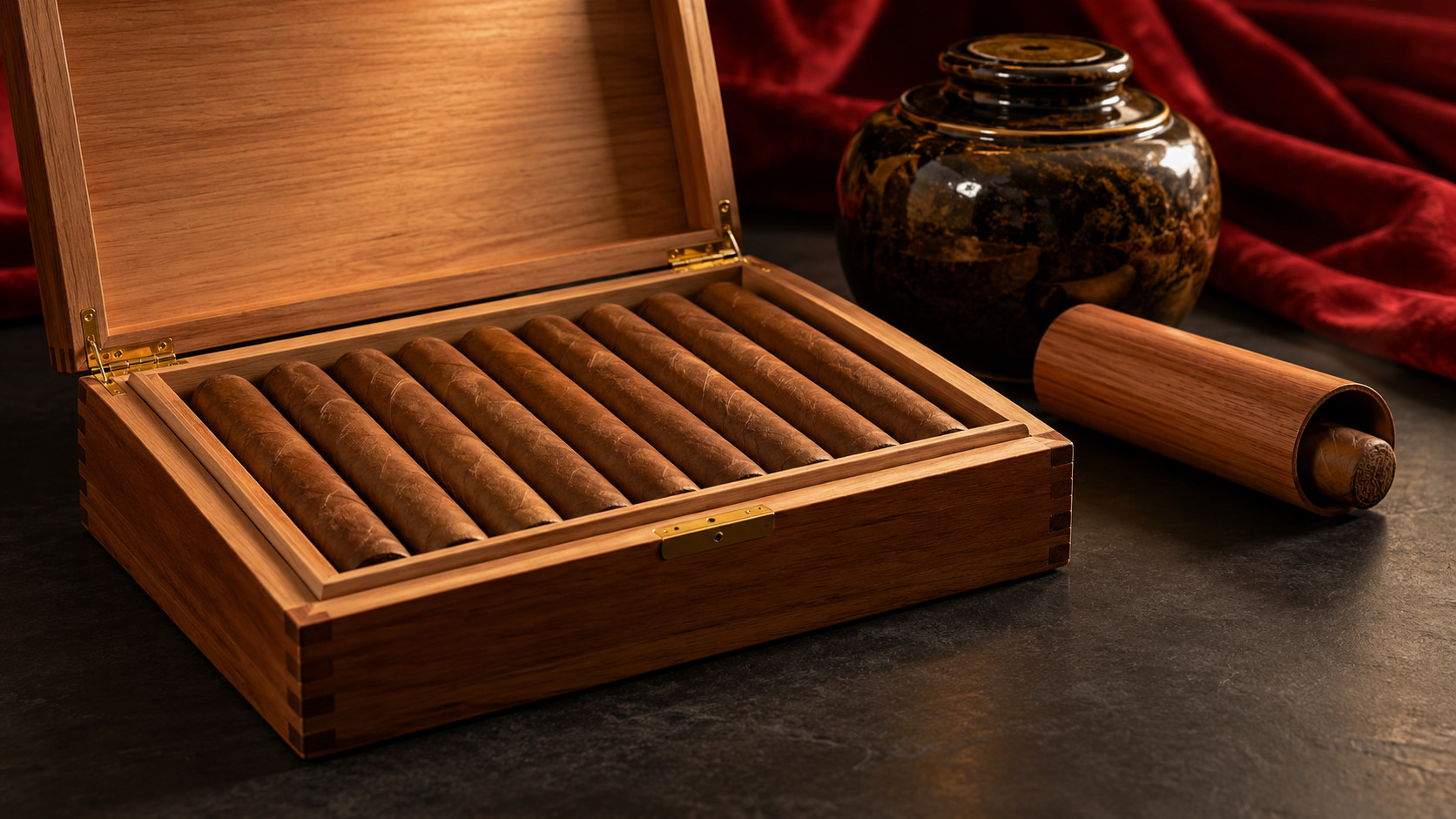
To hold the tradition in your hand, explore the Super Premium Collection, hand packed in a handcrafted cedar box, or browse the full RTS Cigars shop, where every order ships free. You can also read a little more about our story and the roller behind the bench.
For adults 21+ only. RTS Cigars products are intended for adults of legal purchasing age.
Cuban cigar culture is the tradition of growing, rolling, and enjoying handmade cigars that developed on the island of Cuba. It includes the celebrated tobacco regions, the craft of the hand roller, community rituals such as the factory reader, and the social smoke shared to mark occasions.
Cuba’s western tobacco regions, especially the Vuelta Abajo in Pinar del Rio, combine soil and climate that produce leaf long prized for premium cigars. Generations of growing and rolling knowledge refined the tradition and set a quality standard the wider cigar world adopted.
The Habano Festival is an annual gathering in Havana that celebrates handmade Cuban cigars with tastings, tours of tobacco country, seminars, and dinners. It has long been the calendar’s landmark cigar event, though the 2026 edition was canceled.
No. Over the decades growers carried Cuban tobacco seed and rollers carried Cuban technique to Nicaragua, the Dominican Republic, Honduras, Ecuador, and the United States. Much of the premium cigar world today is built on Cuban-seed tobacco and Cuban method.
A torcedor is a skilled cigar roller who builds each cigar by hand, selecting and bunching the leaves, applying the binder and wrapper, and finishing the cap. The torcedor’s judgment is central to Cuban cigar culture and to the even burn of a good handmade cigar.